

Publications
Tags: Plaster Mouldings
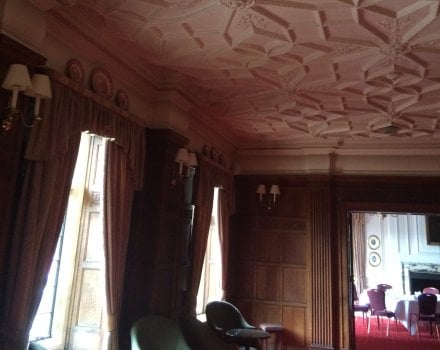
How to make the most of your Victorian mouldings
A truly central part of Victorian interior design was plaster and wooden mouldings, present in most rooms and consisting of plaster cornice, ceiling roses, often incorporating intricate designs and made on site in the grander houses and as off the shelf designs…
How to make the most of your Victorian mouldings
A truly central part of Victorian interior design was plaster and wooden mouldings, present in most rooms and consisting of plaster cornice, ceiling roses, often incorporating intricate designs and made on-site in the grander houses and as off the shelf designs for the more run of the mill households. Also wooden picture rail, Victorian architrave, dado, skirting boards and wooden panelling. Mouldings, chosen correctly, somehow make…
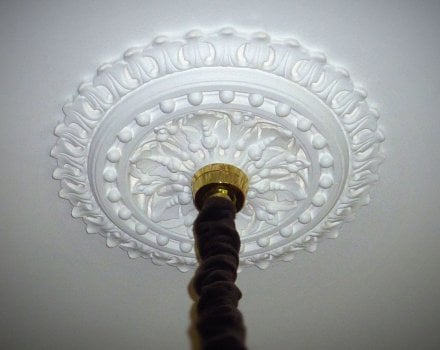
What’s the right size ceiling rose for my room?
This is a question we get asked at least once a week at The Victorian Emporium. There are no specific rules on sizes of plaster and wooden mouldings to be used to replace those original to the property. However the general rule of thumb is that when the right…
What’s the right size ceiling rose for my room?
This is a question we get asked at least once a week at The Victorian Emporium. There are no specific rules on sizes of plaster and wooden mouldings to be used to replace those original to the property. However the general rule of thumb is that when the right size of mouldings are chosen, they will just look “right” in that room. And of course if there is a record of what was there originally i.e. you are replacing a damaged or removed…
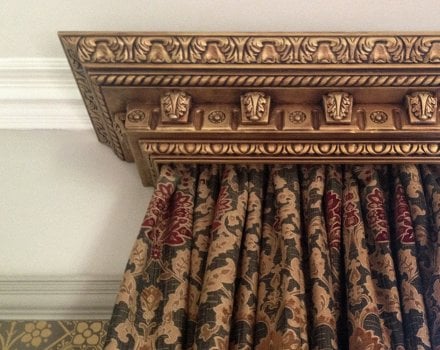
Fitting Victorian coving
At the Victorian Emporium, we sell both wood and plaster coving which can be confusing for some customers. Therefore firstly let us explain where you may wish to use one type in preference over another. And then provide some tips about fitting coving in your…
Some tips for using and fitting Victorian coving on your period house
Plaster coving is best used on plastered surfaces i.e. walls and ceilings. Wooden Victorian coving is best used outdoors and is commonly used on porches and verandahs. It is also used to give a professional finish around the tops of kitchen cupboards and for making decorative curtain pelmets. Many people choose to use wooden coving on walls and ceilings instead of plaster because they perceive plaster coving as being heavy and messy and…
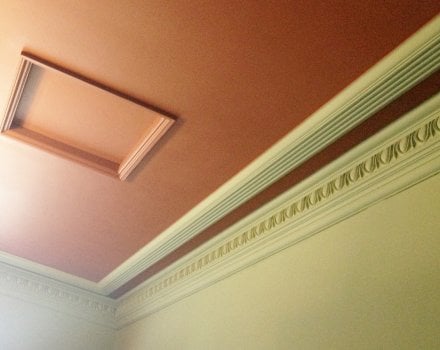
How to save original Victorian ceiling coving
Cornice is used to provide a join between the walls and the ceiling of a house. They are usually used as primarily a decorative feature but as a vestige of the Greek classical order make the room look somehow complete and in proportion.
How to save original Victorian ceiling coving
Cornice is used to provide a join between the walls and the ceiling of a house and is common in all downstairs rooms but often not upstairs. They are usually used as primarily a decorative feature but as a vestige of the Greek classical order make the room look somehow complete and in proportion. Interior Cornice or plaster coving, which are really the same thing, is a really important element of a period house.
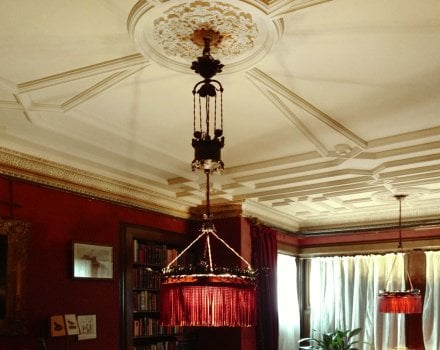
What Is A Ceiling Rose?
The benefits of a ceiling rose are that it frames the connection and makes a feature of the light. It will add glamour and make a room look dressed and of it's historic period.
What Is A Ceiling Rose?
Perhaps you have been researching Victorian properties and may be wondering 'what is a ceiling rose?'. In any room, the obvious place to have the most important and largest source of light is in the centre of the room, so for many hundreds of years there would have been a central pendant light. Traditionally ceiling roses in the centre of rooms were used to obscure the fixings used to hang a light fitting – this idea has been continued…
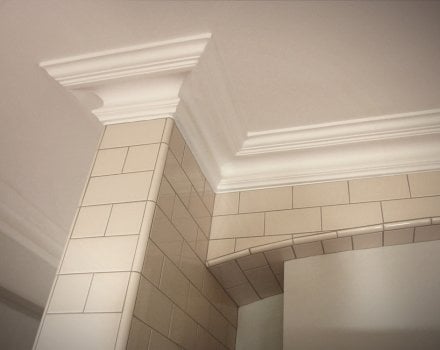
Using Victorian Cornicing Or Coving
Cornice or coving are used in conjunction with dado rails, picture rails and skirting boards and these would have originally been chosen as a set to complement each other.
Using Victorian Cornicing Or Coving
Using Victorian cornicing or coving is a really important element of a period house. Rooms especially within a Victorian house without coving look different from what's expected of the period and simply look odd. Cornice is used to provide a join between the walls and the ceiling of a house. They are usually used as primarily a decorative feature but as a vestige of the Greek classical order make the room look somehow complete and in…
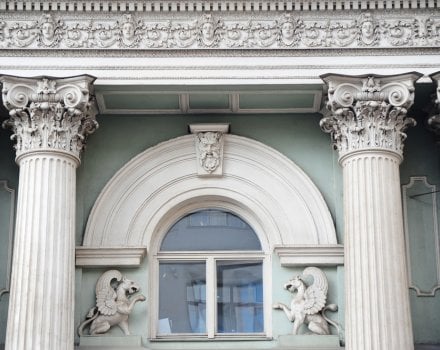
The Origin of Mouldings
From the 16th century, 5 distinct orders were recognized whose origins come from Ancient Greece with some modifications by the Romans: Tuscan, Doric, Ionic, Corinthian and Composite.
The Origin of Mouldings
Decorative plaster mouldings and wooden mouldings originate from the Classical Order, one of the ancient styles of classical architecture, each having its own proportions, profiles and details and recognizable by the type of column used.